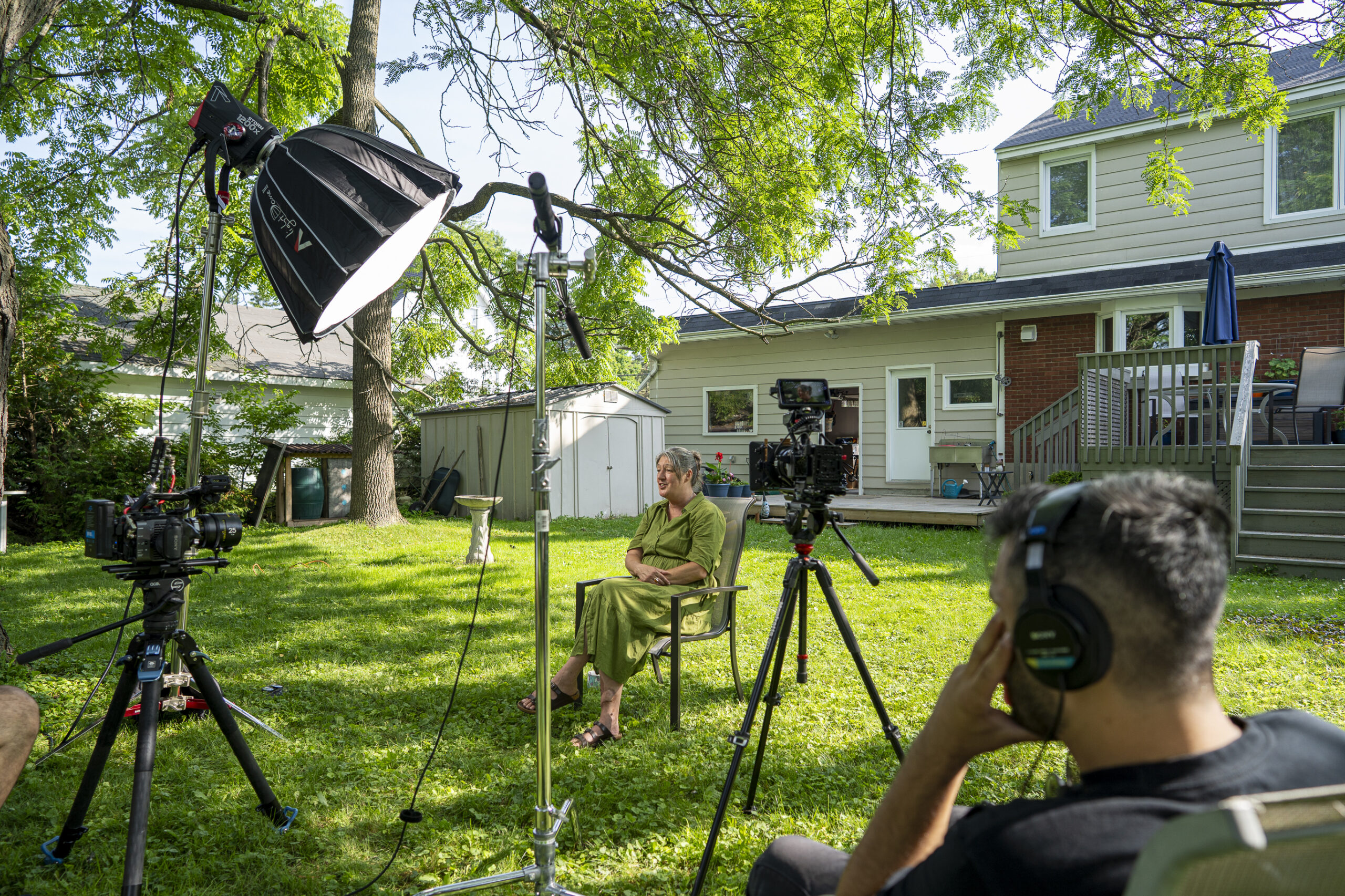

What does it take to retrofit the homes of an entire community?
Over the past two years, EnviroCentre and our partners have been working with Multifaith Housing Initiative to retrofit an entire social housing community in Ottawa. Known as the Carver Place project, this neighbourhood-scale initiative was designed to test how deep energy retrofits can be delivered at scale while improving comfort, affordability, and resilience for residents.
The project brought together housing providers, contractors, researchers, skilled trades professionals, and funders to test what residential decarbonization can look like when it is delivered at scale. The results go beyond energy savings, demonstrating how deep retrofits can improve comfort, strengthen communities, build workforce capacity, and create a practical roadmap for the future of housing.
Through a three-part video series, we’ve shared the story of Carver Place from different perspectives. Together, these stories highlight a simple but important idea: large-scale residential decarbonization is possible.
In Eastern Ontario alone, more than 28,000 social housing units could benefit from deep energy retrofits. Meeting that need requires more than individual building upgrades. It requires long-term planning, strong partnerships, workforce development, and a clear understanding of what residents experience before and after the work is complete.
That’s the role of EnviroCentre’s Retrofit Accelerator, our dedicated team focused on helping housing providers plan and implement deep energy retrofits at scale. By combining technical expertise, capital planning, research, occupant engagement, and project coordination, the team helps housing providers move from ambition to action.
At Carver Place, that approach moved from theory to practice.
What we learned
One of the most important lessons from Carver Place is that successful retrofits are about people as much as they are about buildings.
From the outset, EnviroCentre partnered with researchers from McGill University and Carleton University’s Centre for Advanced Building Envelope Research (CABER) to better understand both the technical and human impacts of deep retrofits. Through ongoing monitoring and resident engagement, researchers are helping quantify benefits that don’t always show up on an energy bill: improved comfort, better indoor air quality, increased resilience, and healthier homes.
These non-energy benefits matter. Behind every energy model, air sealing detail, and equipment upgrade is a family and a community.
The project also highlighted the importance of investing in the people who will carry out this work in the years ahead.
Through the Retrofit Accelerator Mentorship Program (RAMP), emerging tradespeople gained hands-on experience working alongside experienced contractors, helping address the growing need for skilled workers in the retrofit sector. Those efforts have continued through EnviroCentre Build, our social enterprise focused on training and employment opportunities in high-performance retrofits.
Explore the series
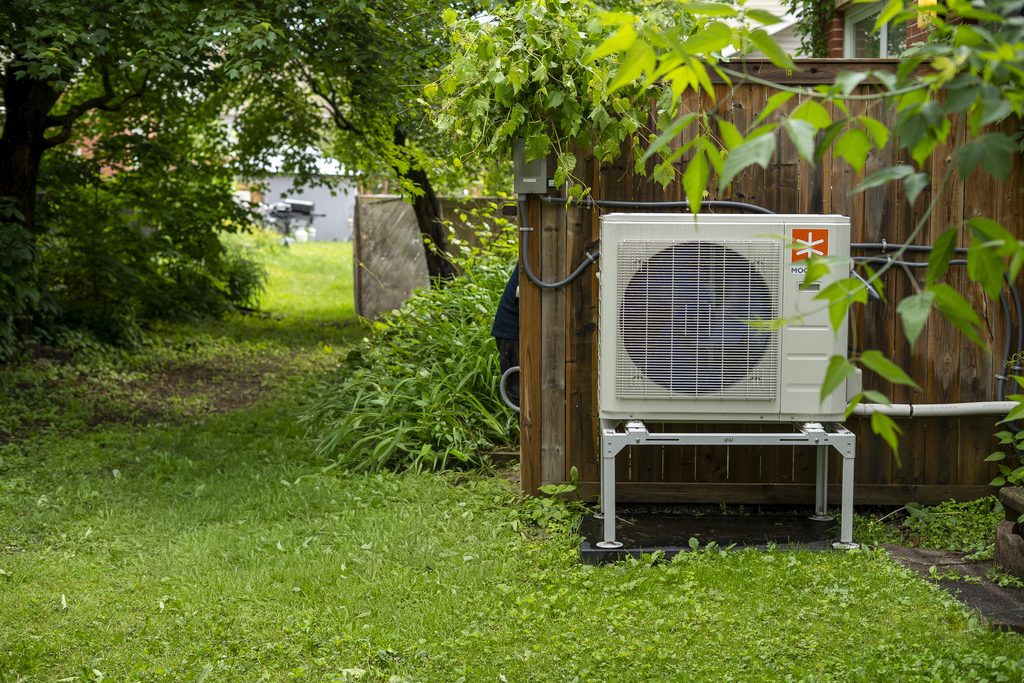
Part 1
A neighbourhood-scale deep retrofit
The first video explores the vision behind Carver Place and what it means to deliver deep retrofits across an entire housing community.
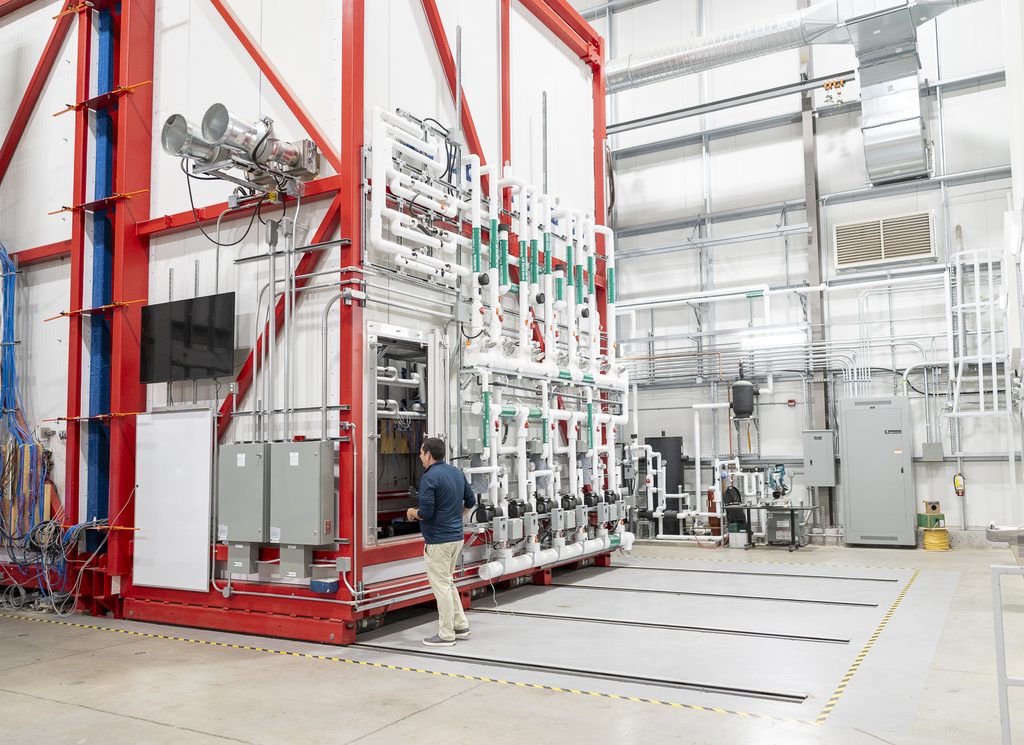
Part 2
Measuring what matters
The second video looks at the research partnerships helping us understand the impacts of deep retrofits beyond energy savings, including comfort, air quality, and resident experience.
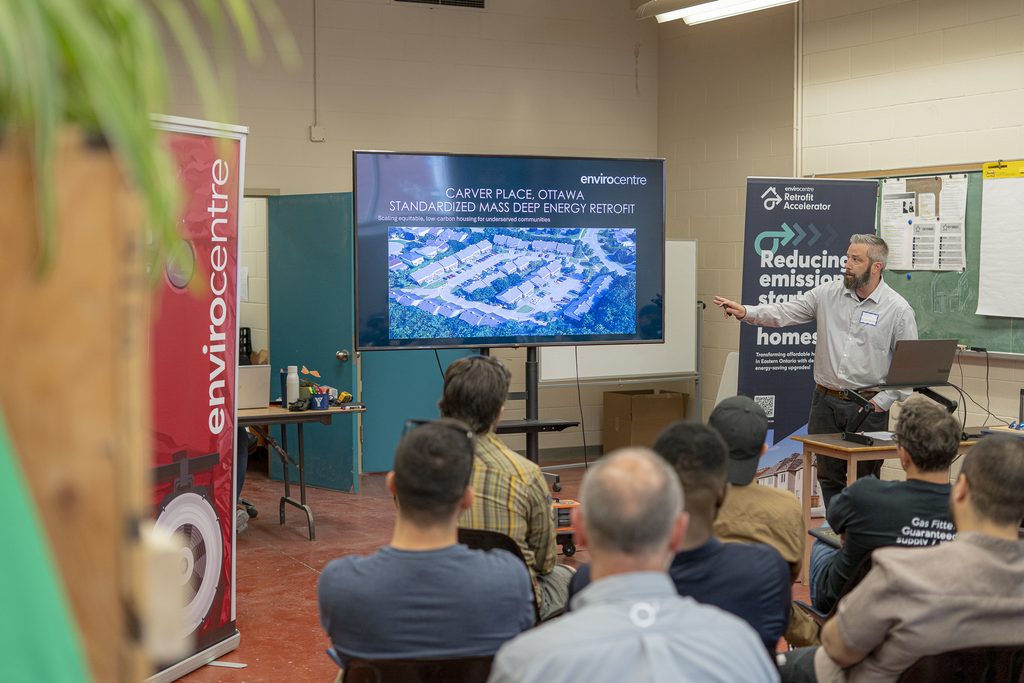
Part 3
Building the workforce for tomorrow
The final video highlights RAMP and the importance of creating pathways into the retrofit sector for the skilled workforce Canada will need to achieve its climate goals.
Looking ahead
The retrofit work at Carver Place may be complete, but the story is far from over.
The lessons from this project continue to shape new partnerships, inform future retrofit projects, and strengthen the case for neighbourhood-scale decarbonization. They are also helping demonstrate that retrofits can deliver more than emissions reductions. They can create healthier homes, lower operating costs, build workforce capacity, and improve quality of life for residents.
Carver Place isn’t the end of the story. It’s the first chapter.
To learn more about the broader vision behind the Retrofit Accelerator, read Scaling Deep Retrofits in Social Housing.
If you manage housing at scale and would like to explore how the Retrofit Accelerator model could support your community, reach out.