
What if every festival, conference and community celebration in Ottawa left behind more inspiration than emissions?
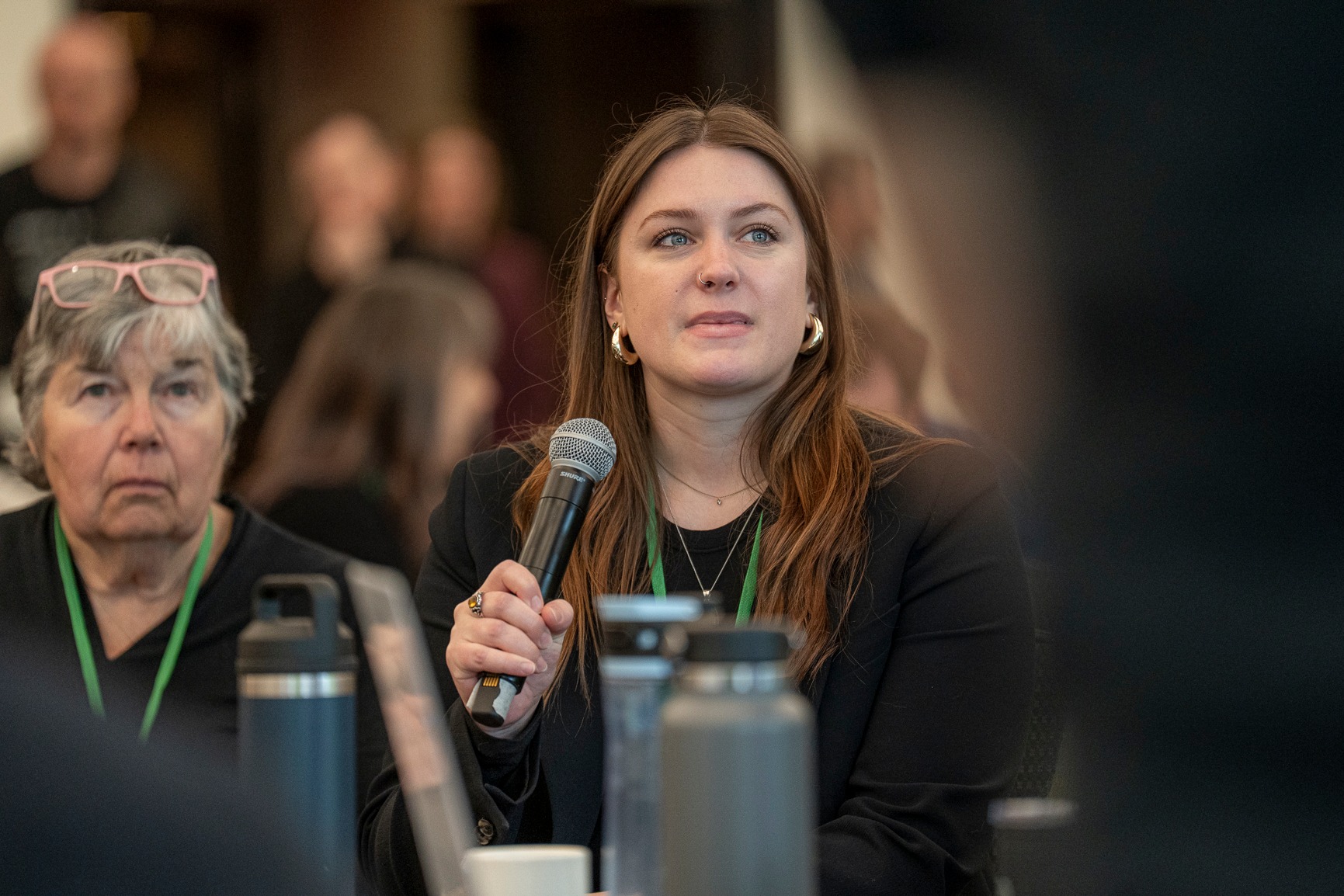
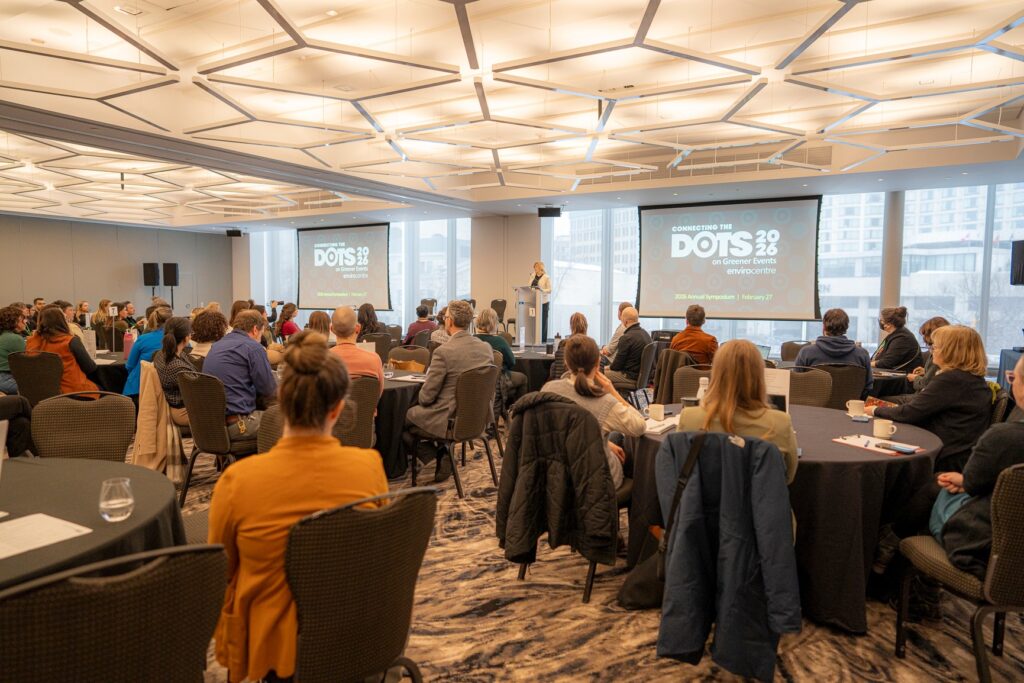
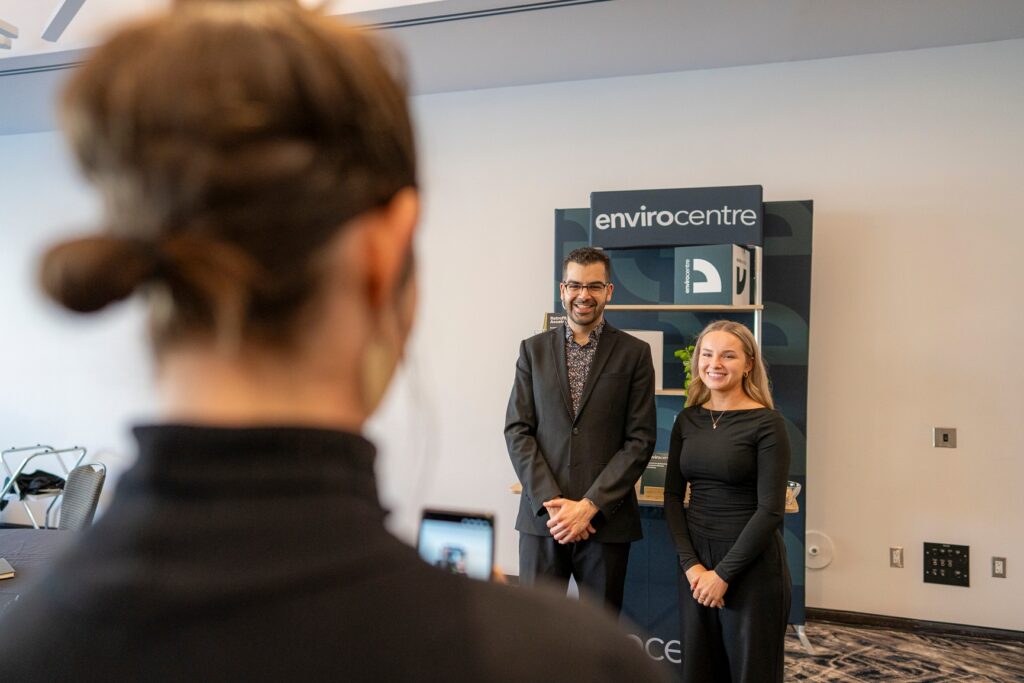
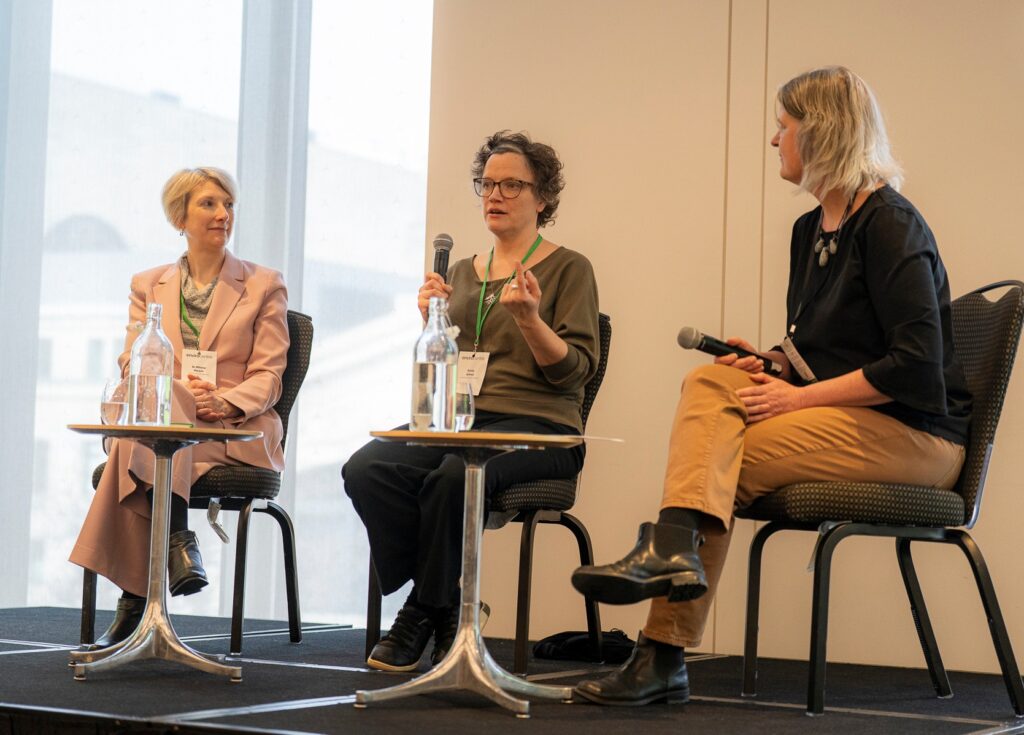
On February 27, more than 100 event organizers, tourism leaders, municipal staff, researchers and service providers gathered at the National Arts Centre for EnviroCentre’s Annual Symposium: Connecting the Dots on Greener Events.
The focus was clear: how to design and deliver events in Ottawa that reduce waste and emissions while minimizing impacts on host communities.
From conferences and corporate meetings to music festivals, races and neighbourhood celebrations, events are central to the cultural and economic life of our city. But they also generate significant environmental impacts — from transportation emissions to food waste and single-use materials.
At the heart of the day was a simple but powerful question:
How can sustainability become an integrated part of event planning — not an afterthought?
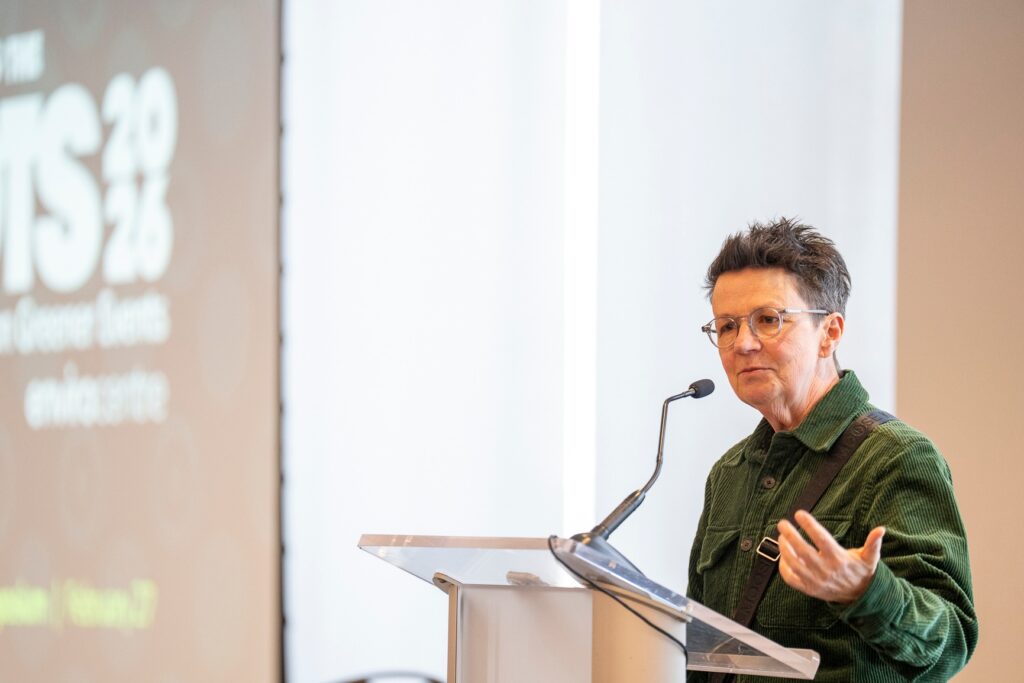
As Tara Shannon, Executive Director of the Ottawa Festival Network, reminded participants:
“Events are temporary, but their effects are not.”
That idea resonated throughout the symposium. The systems we design for events shape behaviour, infrastructure and expectations long after the tents come down.
Reimagining event design: from single-use to reuse
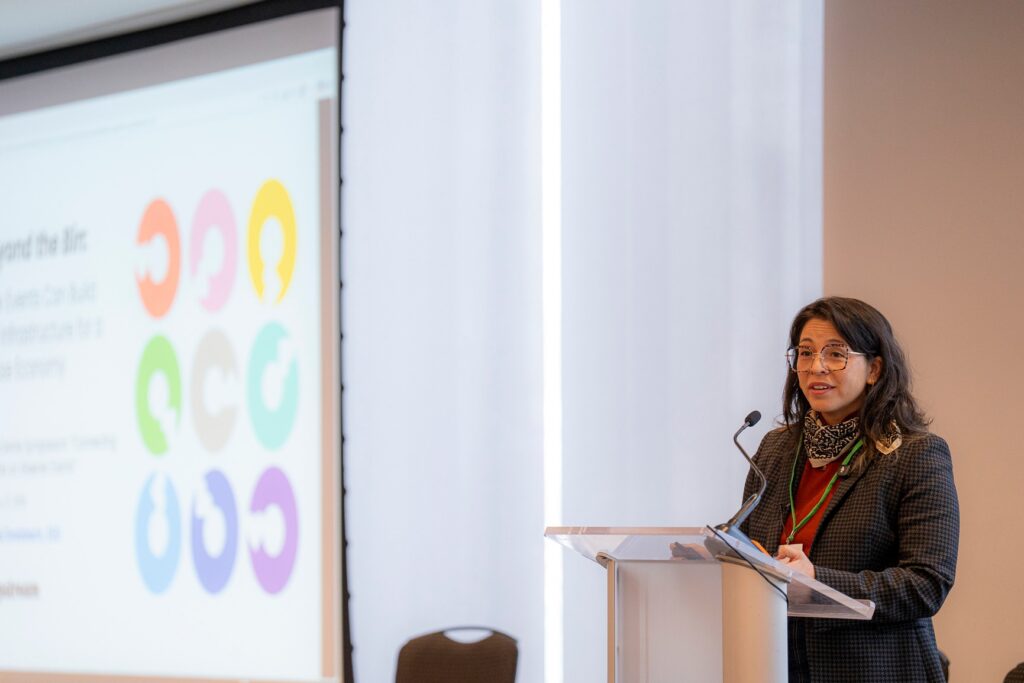
Our morning keynote speaker, Crystal Dreisbach, CEO of Upstream, explored how reuse systems can transform the event industry. Moving beyond single-use packaging is not simply a waste reduction strategy; it represents a broader systems shift.
Events, she argued, are powerful testing grounds for circular economy solutions, capable of accelerating the adoption of reusable food and beverage service ware across communities.
In the afternoon, Kate Johnston, Executive Director of the Hillside Festival — widely regarded as one of Canada’s greenest festivals — shared practical insights that have been at the core of Hillside for decades. Her experience demonstrated that green event planning is most effective when sustainability is embedded in procurement, logistics, vendor relationships and organizational culture from the start.
Together, the keynotes reinforced a core message: sustainable events are not about adding complexity. They are about intentional design.
What we heard: barriers and opportunities
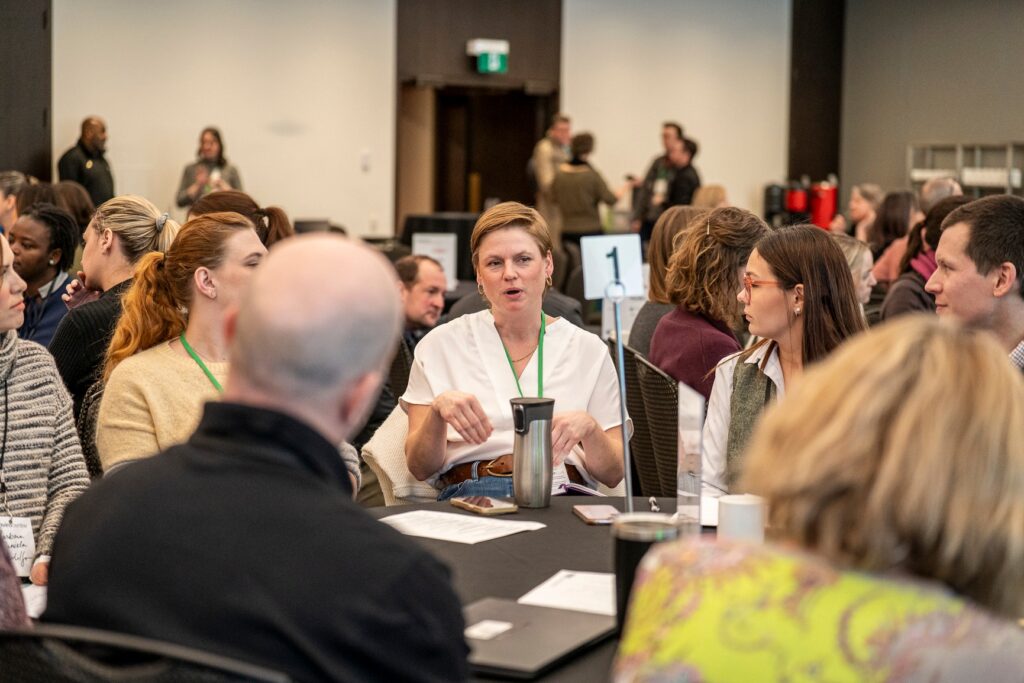
Across 16 discussion tables, participants explored the realities of implementing sustainable practices at events of all sizes. Conversations covered:
- Waste reduction and diversion strategies
- Implementing reuse systems
- Sustainable procurement
- Transportation planning and reducing travel emissions
- Measuring environmental impact
- Motivating audience behaviour
- Financing greener events
- Low-impact food strategies
Several consistent themes emerged:
- Start early. Sustainability must be integrated at the earliest stages of event design — when budgets are set, venues are selected, and contracts are negotiated — not added at the last minute.
- Communicate clearly. Transparent reporting about what was reduced, reused and measured helps prevent greenwashing and builds credibility with attendees and partners.
- Work as an ecosystem. Real progress depends on coordination across venues, municipalities and suppliers — from infrastructure investments to supportive policies and adapted service models.
- Small choices matter. Operational decisions such as adopting reusable foodware, installing clearly marked sorting stations or offering low-carbon menus can normalize sustainable behaviour at scale.
- Make it joyful. Events are meant to be fun and inspiring. Sustainability can enhance that experience and make climate action visible, accessible and even exciting.
- Constraints spark creativity. Limited timelines, budgets and physical space can become opportunities for innovation when sustainability is prioritized.
A full post-event report summarizing these insights will be released in the coming weeks.

Sign up for our newsletter to get the post-event insight report delivered directly to your inbox.
Measuring impact in real time
Reducing environmental impact begins with understanding it.
Upon arrival, participants were invited to place a token (in this case, a dried chickpea) into a container representing their mode of transportation. When tallied, the results showed that most attendees carpooled, took public transit, walked or cycled to the event.
During lunch, participants took part in our Weigh the Waste activity to help quantify uneaten food. Food waste was diverted through the National Arts Centre’s ORCA system, and surplus food was donated to La Tablée des Chefs.
These hands-on activities reflect EnviroCentre’s approach: practical solutions designed to work in real-world settings, with measurable outcomes that others can replicate and scale.
For more than 25 years, EnviroCentre has advanced climate solutions across home energy efficiency, sustainable transportation, green infrastructure, and waste and circular economy initiatives. Increasingly, that includes working directly with event organizers in Ottawa and Eastern Ontario to implement waste diversion systems, pilot reusable cup programs and integrate sustainability into procurement processes.
Thank you to our sponsors and partners!
This symposium was made possible through the support of:
- Ottawa Tourism (Lunch Sponsor)
- Friendlier (Associate Sponsor)
- James McNeil, The Lord Elgin Hotel and OSEG (Community Partners)
- Ottawa Festivals (Event Partner)
We are grateful to our keynote speakers, panellists, moderators and discussion table leads for sharing their expertise — and to every participant who contributed openly to the conversation.
What’s next for sustainable events in Ottawa?
The work doesn’t end here.
As Ottawa prepares for a busy year of festivals, conferences and public gatherings, including celebrations tied to the city’s 200th anniversary, the opportunity to lead on green event planning is significant.
If you are looking to implement practical solutions at your next event — from reuse systems and waste audits to transportation planning and sustainable procurement — EnviroCentre can help.
Because while events may be temporary, their environmental and social impacts are not.
If you work in events and are ready to move from intention to implementation, EnviroCentre offers practical, measurable solutions to help you design lower-impact, climate-smart events. Reach out to our team to discuss how we can support your next event.